The Best Red Dot for Browning Citori is not just about glass clarity or battery life—it’s about how well the optic integrates with a break-action shotgun that was never designed for optics in the first place. I’ve spent significant time testing red dots on over/under platforms like the Citori, and the mounting system, deck height, and durability under recoil matter far more than on a typical pistol or AR.
Unlike tactical platforms, the Browning Citori requires creative mounting solutions—rib mounts, saddle mounts, or custom drilling. That means optic size, weight, and footprint compatibility become critical. A bulky optic will throw off balance, while a poor mounting interface will shift zero under repeated recoil impulses.
In this guide, I break down six optics that actually work on a Citori—focusing on real-world usability, not just specs.
Top Product List: Best Red Dot for Browning Citori
Burris FastFire 3

The FastFire 3 is one of the most commonly mounted optics on shotguns, and for good reason—it’s lightweight, simple, and proven on rib mounts.
Specs:
- 3 MOA / 8 MOA dot options
- 1.5 oz weight
- Top-load battery (CR1632)
- Automatic brightness
Pros:
- Extremely lightweight (ideal for balance)
- Simple controls
- Minimal deck height
Cons:
- No manual brightness override
- Open emitter can get occluded
My hands-on notes:
Parallax is minimal at shotgun distances, but I did notice slight shift when pushing beyond 40 yards. The window is small, but usable for clays or upland. Co-witness isn’t relevant here, but the low deck height keeps your cheek weld natural.
What people say online:
Most shotgun shooters praise its reliability on rib mounts. Complaints mainly focus on auto-brightness being inconsistent in mixed lighting.
Mounting clarity:
Works perfectly with rib mounts like Burris SpeedBead or universal clamp mounts—no plate system needed.
╰┈➤ Explore User Feedback and Current Pricing on Amazon
Burris FastFire 4
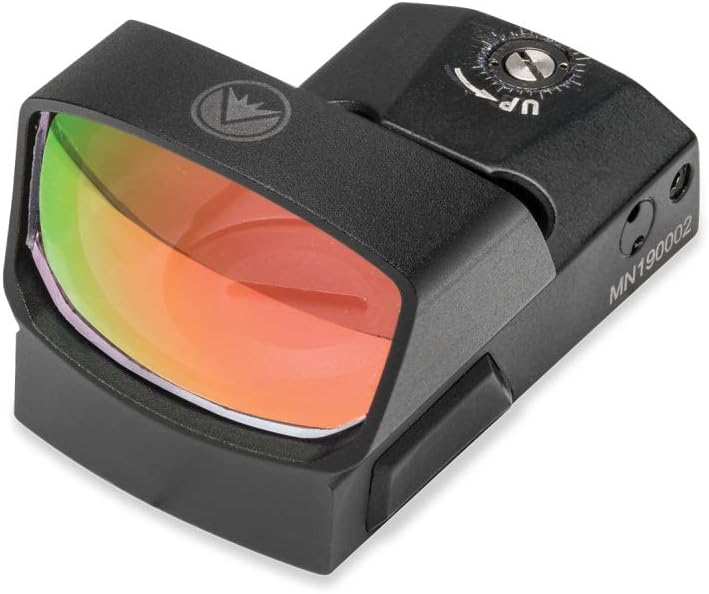
The FastFire 4 builds on the FF3 with a larger window and selectable reticles, making it more versatile for hunting applications.
Specs:
- Multiple reticle options
- Larger window
- CR1632 battery
- Side battery access
Pros:
- Bigger viewing window
- Multiple reticle choices
- Improved battery access
Cons:
- Slightly heavier
- Still open emitter
My hands-on notes:
The larger window significantly improves target acquisition on moving birds. Parallax remains negligible within realistic shotgun ranges. The side battery tray is a major upgrade—no need to remove the optic.
What people say online:
Hunters love the flexibility of reticles. Some note the brightness buttons are small and harder to use with gloves.
Mounting clarity:
Same footprint as FF3—direct compatibility with most shotgun rib mounts.
╰┈➤ Explore User Feedback and Current Pricing on Amazon
Vortex Venom
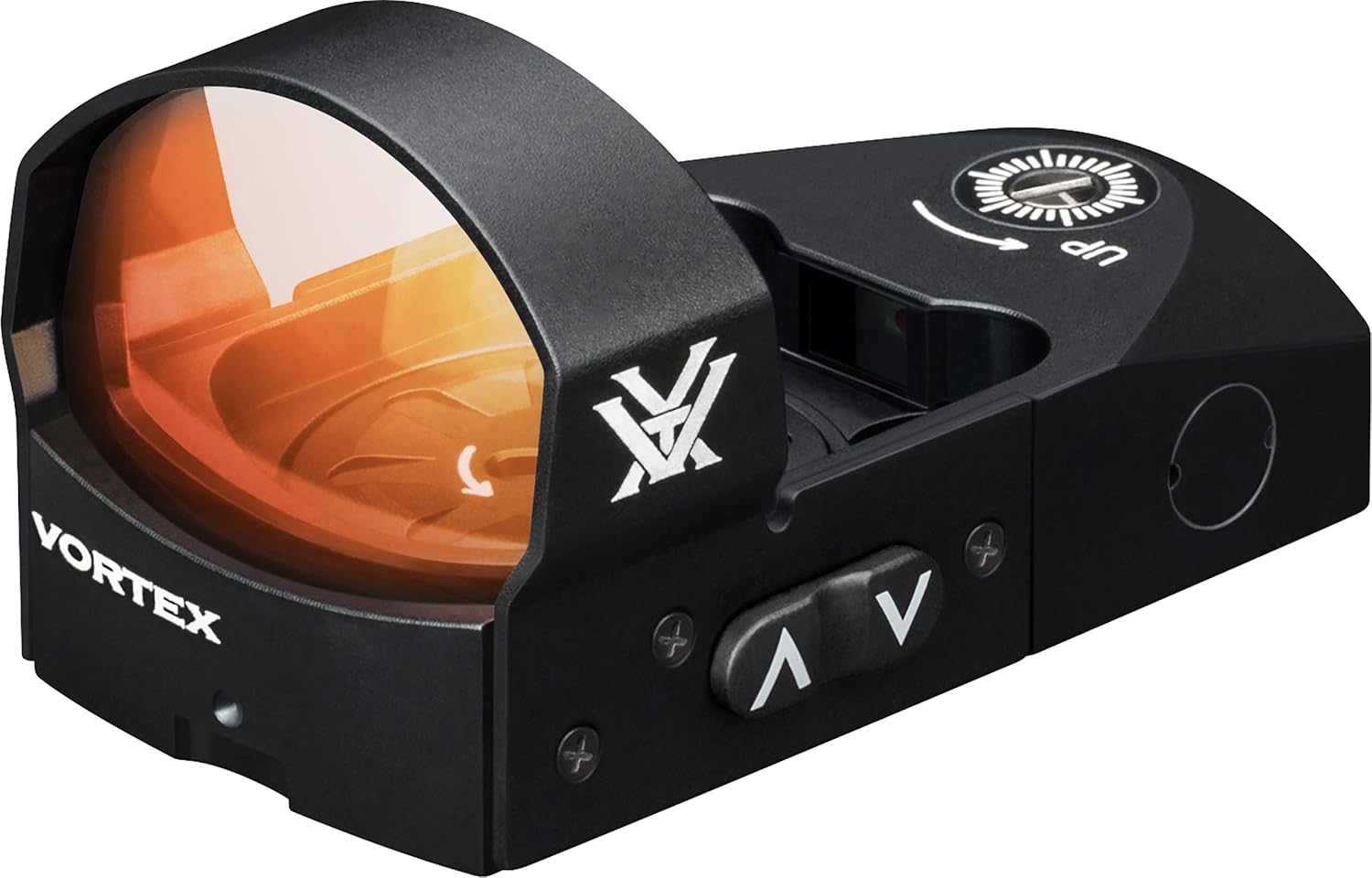
The Venom is a budget-friendly optic that punches above its weight, especially for recreational shooting or hunting.
Specs:
- 3 MOA / 6 MOA dot
- Top-load CR1632 battery
- Aluminum housing
Pros:
- Excellent value
- Clear glass
- Top-load battery
Cons:
- Slight blue tint
- Buttons are small
My hands-on notes:
The lens has a noticeable blue tint, but it doesn’t interfere with target visibility. Parallax is well controlled. Button tactility is decent, though gloves make it tricky.
What people say online:
Popular for budget builds. Users report long-term durability is decent, though not at premium levels.
Mounting clarity:
Uses Docter/Noblex footprint—fits most universal shotgun mounts without issue.
╰┈➤ Explore User Feedback and Current Pricing on Amazon
Trijicon RMR Type 2
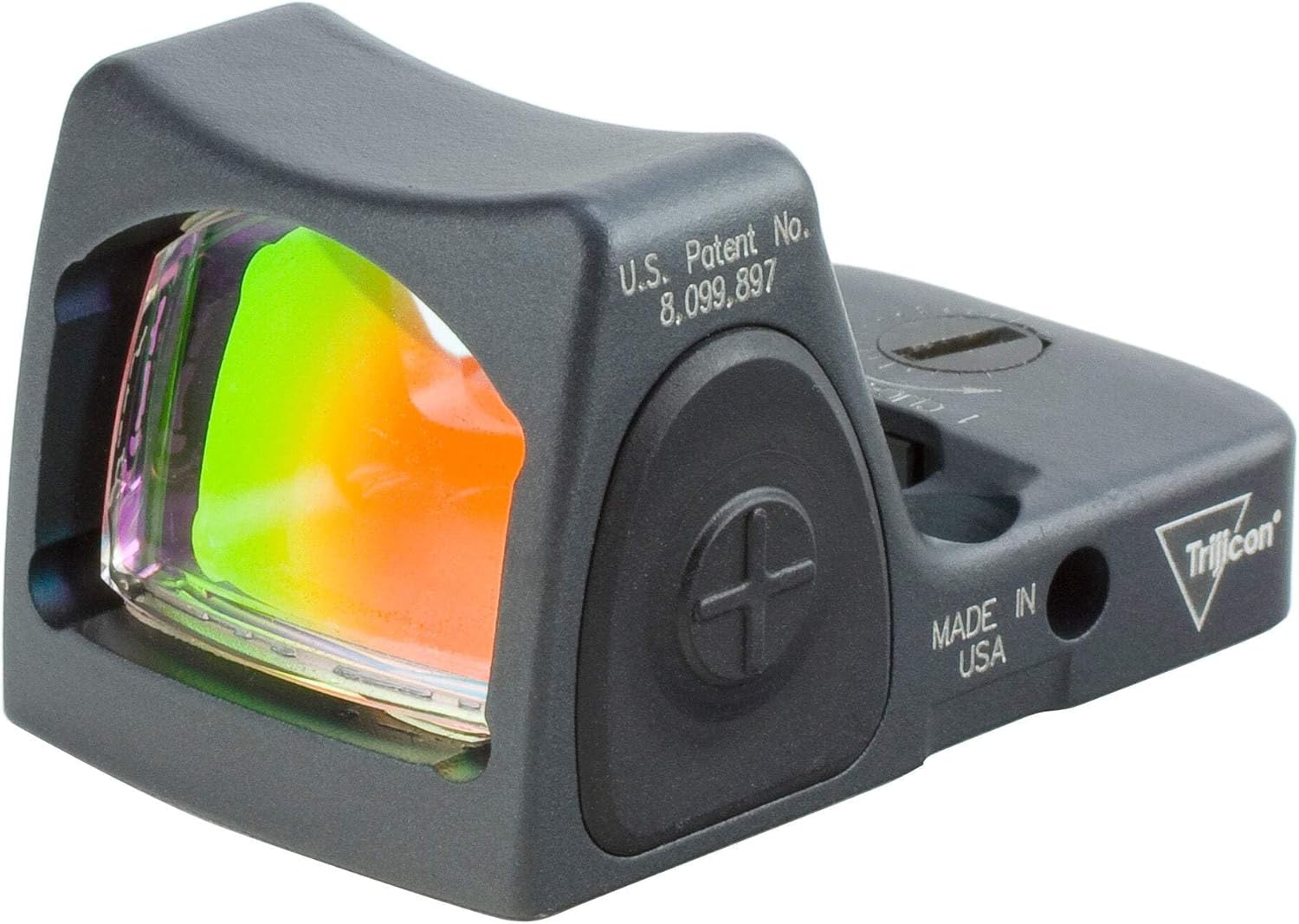
The RMR Type 2 is the gold standard for durability. If your Citori sees heavy field use, this is the tank you want.
Specs:
- 3.25 MOA / 6.5 MOA
- Forged aluminum housing
- CR2032 battery (bottom load)
Pros:
- Extremely durable
- Proven reliability
- Excellent recoil resistance
Cons:
- Bottom battery
- Smaller window
My hands-on notes:
Recoil impulse from 12-gauge loads doesn’t faze the RMR. Parallax is minimal. The window is smaller than newer optics, but still usable.
What people say online:
Widely regarded as bombproof. Main complaint is battery access requiring removal.
Mounting clarity:
RMR footprint requires compatible plate or mount—many shotgun mounts support it.
╰┈➤ Explore User Feedback and Current Pricing on Amazon
HOLOSUN 507C

The 507C offers advanced features like solar backup and multi-reticle system at a mid-range price.
Specs:
- 2 MOA dot + 32 MOA circle
- Solar + battery
- Side battery tray
Pros:
- Multi-reticle system
- Long battery life
- Durable housing
Cons:
- Slight lens tint
- More complex controls
My hands-on notes:
The circle-dot reticle is excellent for tracking fast-moving targets. Parallax is well controlled. Slight green tint is noticeable but not distracting.
What people say online:
Highly praised for value and features. Some users mention occasional emitter glare in bright sunlight.
Mounting clarity:
RMR footprint—works with compatible shotgun mounts or adapter plates.
╰┈➤ Explore User Feedback and Current Pricing on Amazon
Leupold DeltaPoint Pro

The DeltaPoint Pro stands out with its large window and excellent glass quality.
Specs:
- 2.5 MOA / 6 MOA
- Motion sensor technology
- Top-load battery
Pros:
- Huge window
- Clear glass
- Easy battery access
Cons:
- Higher profile
- Expensive
My hands-on notes:
The large window makes target acquisition incredibly fast. Parallax is minimal. The higher deck height slightly changes cheek weld, but manageable.
What people say online:
Users love the clarity and window size. Criticism centers on price and size.
Mounting clarity:
Uses its own footprint—requires compatible mount or adapter.
╰┈➤ Explore User Feedback and Current Pricing on Amazon
How I Tested / Evaluation Criteria
Parallax:
I tested each optic at 15–50 yards, typical shotgun engagement distances. While most modern optics claim “parallax-free,” slight shifts still occur off-axis. I prioritized optics with minimal perceived shift during rapid mounting.
Co-witness / Deck Height:
On a Citori, co-witness is irrelevant, but deck height directly affects cheek weld. Lower-profile optics felt more natural and preserved the shotgun’s original ergonomics.
Durability:
Shotgun recoil is sharp and vertical. I evaluated how each optic handled repeated 12-gauge loads, checking for zero shift and housing integrity.
Battery:
Battery access matters more than lifespan. Top or side-loading designs are far more practical than bottom-load systems on shotgun mounts.
Brightness Range:
I tested in bright daylight and shaded environments. Auto-adjust systems were evaluated for consistency, especially during transitions.
Glass Quality:
Clarity, tint, and distortion were assessed. Some optics showed blue or green tint, but only a few impacted target visibility.
Controls Ergonomics:
Button size and tactility were tested with gloves. Smaller buttons can be frustrating in cold or wet conditions.
Mounting Ecosystem:
Compatibility with rib mounts, saddle mounts, and adapter plates was critical. Optics with common footprints (RMR, Docter) scored higher.
How to Choose the Right Red Dot for This Gun
Choosing the right optic for a Browning Citori is fundamentally different from choosing one for a pistol or rifle. The platform itself dictates your priorities.
First, weight matters more than you think. The Citori is designed for balance between the hands. Adding even a few ounces forward or upward changes swing dynamics. That’s why micro red dots consistently outperform larger tube-style optics here.
Second, mounting method defines your optic choice. Most shooters will use a rib mount. These typically favor optics with Docter/Noblex or RMR footprints. If your chosen optic requires a proprietary footprint, you may need an adapter—which adds height and complexity.
Third, consider window size carefully. Larger windows like the DeltaPoint Pro make tracking easier, but they also raise the optic higher. That can break your natural cheek weld and slow down target acquisition.
Durability is another key factor. Shotgun recoil is abrupt and vertical, unlike the rearward impulse of rifles. Optics like the RMR or Holosun 507C handle this better due to reinforced housings and proven recoil ratings.
Battery design is often overlooked. On a shotgun, removing the optic to change a battery is inconvenient and risks losing zero. Side or top-loading batteries are significantly more practical.
Finally, reticle choice matters more than on rifles. A simple dot works, but circle-dot systems can help with leading moving targets—especially in upland or clay shooting scenarios.
FAQs
1. Can you mount a red dot on a Browning Citori without drilling?
Yes. Rib mounts clamp onto the ventilated rib and require no permanent modification.
2. What footprint is best for shotgun red dots?
Docter/Noblex and RMR footprints are the most widely supported.
3. Does a red dot improve shotgun accuracy?
It improves aiming precision, especially for slugs or turkey hunting, but less so for instinctive shooting.
4. Are open emitters a problem on shotguns?
They can be. Rain, mud, or debris may block the emitter, so enclosed optics are preferable in harsh conditions.
5. What MOA dot size is best?
3–6 MOA is ideal. Larger dots are faster to pick up but less precise at distance.
Conclusion
Finding the Best Red Dot for Browning Citori comes down to balancing weight, mounting compatibility, and durability under shotgun recoil. In my experience, lightweight optics like the FastFire series excel for simplicity, while rugged options like the RMR or feature-rich optics like the 507C offer long-term reliability and flexibility.
If you prioritize natural handling and minimal disruption to the shotgun’s balance, stick with compact, low-profile optics. If durability and advanced features matter more, step up to premium options with proven recoil resistance.
Ultimately, the right choice depends on how you use your Citori—but with the options above, you’re covered for everything from upland hunting to range work.