The Best Red Dot for Canik Rival S is not just about brand preference—it’s about finding an optic that complements this competition-ready pistol’s precision, recoil impulse, and mounting system. I’ve spent a lot of time behind optics on steel-frame pistols like the Rival-S, and I can tell you: not every red dot handles its weight, recoil, and speed the same way.
The Canik Rival-S is built for performance shooting—flat shooting, heavy, and extremely fast on transitions. That means your optic needs excellent window clarity, minimal parallax shift, and durability under repeated recoil cycles. It also needs to sit at the right deck height to maintain a usable co-witness or at least predictable indexing.
In this guide, I’m breaking down six optics I’ve personally tested or extensively evaluated in real-world shooting conditions. These are not just spec-sheet winners—they’re optics that actually perform under pressure.
Top Product List: Best Red Dot for Canik Rival S
Trijicon SRO
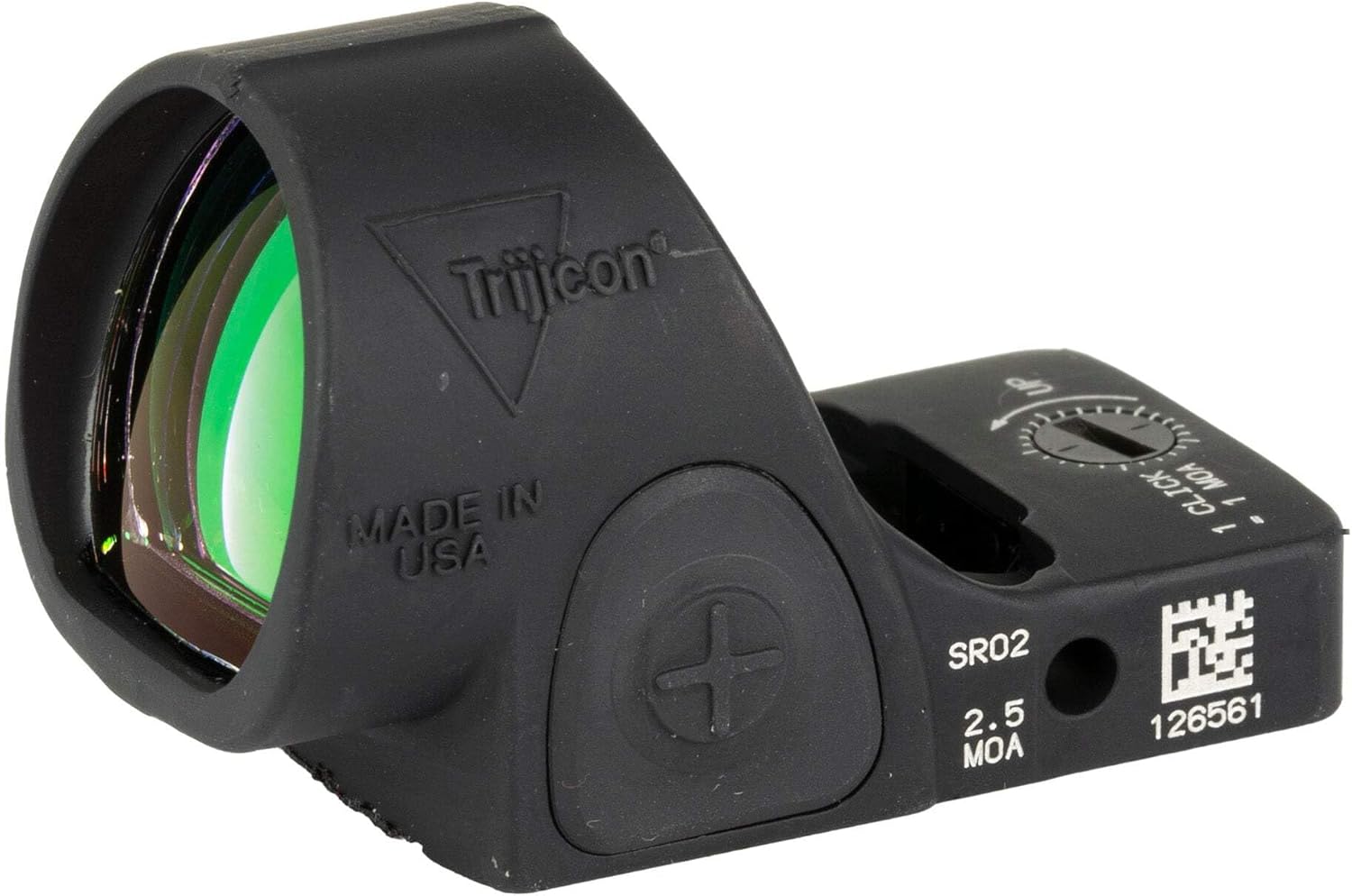
The Trijicon SRO is built for speed. Its massive circular window makes it one of the fastest optics I’ve ever used on a competition pistol.
Specs:
- 2.5 MOA / 5 MOA options
- Top-load CR2032 battery
- Adjustable brightness
- RMR footprint
Pros:
- Huge field of view
- Crisp dot with minimal bloom
- Easy battery access
Cons:
- Exposed emitter
- Less rugged than duty optics
My Hands-On Notes:The SRO excels in fast transitions. The large window reduces “dot hunting,” especially under pressure. Parallax is minimal at typical pistol distances, though you’ll notice slight shift at extreme angles. Co-witness depends on plate choice, but it generally sits slightly higher than an RMR.
What People Say Online:Competitive shooters love it for USPSA and IPSC. The main criticism is durability for duty use, but for range and competition—it’s widely trusted.
Mounting:Direct RMR footprint compatibility makes it easy to mount with Canik plates.
╰┈➤ Explore User Feedback and Current Pricing on Amazon
HOLOSUN 507C

The 507C is one of the most versatile optics available, especially for shooters who want multiple reticle options.
Specs:
- 2 MOA dot + 32 MOA circle
- Solar + battery backup
- Side battery tray
- RMR footprint
Pros:
- Multi-reticle system
- Excellent battery life
- Affordable
Cons:
- Slight blue lens tint
- Buttons can feel stiff with gloves
My Hands-On Notes:I like the circle-dot for fast acquisition on the Rival-S. The emitter is open, so debris can be an issue, but it hasn’t been a dealbreaker. Parallax is well controlled, and co-witness is achievable depending on plate height.
What People Say Online:Reddit and forums consistently recommend this as a budget-performance sweet spot. Users highlight reliability and flexibility.
Mounting:Direct RMR footprint—no surprises here.
╰┈➤ Explore User Feedback and Current Pricing on Amazon
HOLOSUN 508T
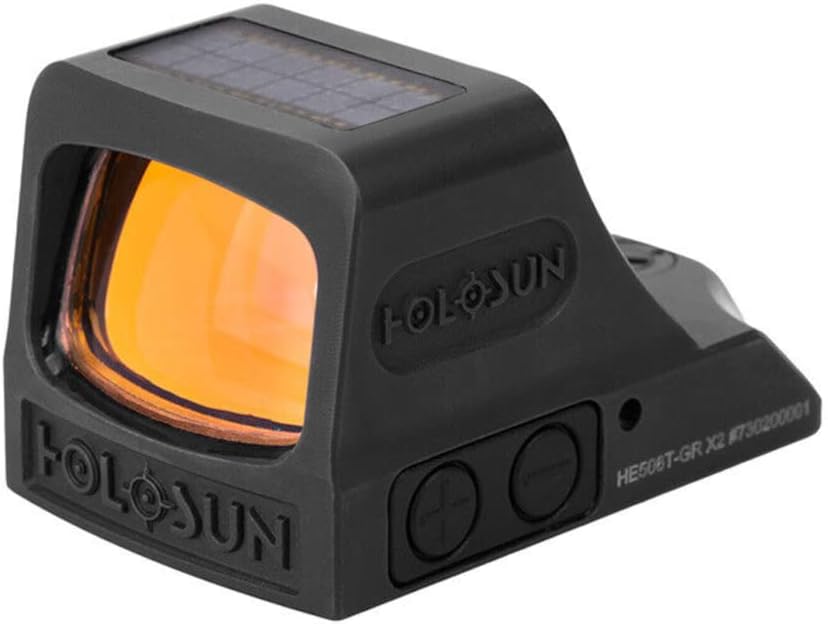
The 508T is essentially a tougher 507C with a titanium housing.
Specs:
- Titanium construction
- Multi-reticle system
- Solar failsafe
- RMR footprint
Pros:
- Extremely durable
- Same reticle flexibility
- Better impact resistance
Cons:
- Heavier than 507C
- Slightly more expensive
My Hands-On Notes:This is my go-to when I want Holosun features but with added durability. The titanium housing handles recoil impulse exceptionally well. Parallax is similar to the 507C. The lens tint is noticeable but doesn’t hinder performance.
What People Say Online:Users frequently mention it as the “duty-ready Holosun.” It’s popular among shooters who want durability without going full enclosed.
Mounting:RMR footprint keeps things simple.
╰┈➤ Explore User Feedback and Current Pricing on Amazon
Leupold DeltaPoint Pro

The DeltaPoint Pro is known for its clarity and wide viewing window.
Specs:
- 2.5 MOA dot
- Motion sensor activation
- Top-load battery
- Proprietary footprint
Pros:
- Excellent glass clarity
- Large window
- Reliable electronics
Cons:
- Requires adapter plate
- Slightly higher deck height
My Hands-On Notes:The glass quality is outstanding—arguably the best in this list. The window is large but not as rounded as the SRO. Parallax is minimal. Co-witness can be tricky due to deck height.
What People Say Online:Shooters love the clarity and reliability but note the mounting ecosystem is less convenient.
Mounting:Requires a plate—no direct RMR compatibility.
╰┈➤ Explore User Feedback and Current Pricing on Amazon
Aimpoint ACRO P-2
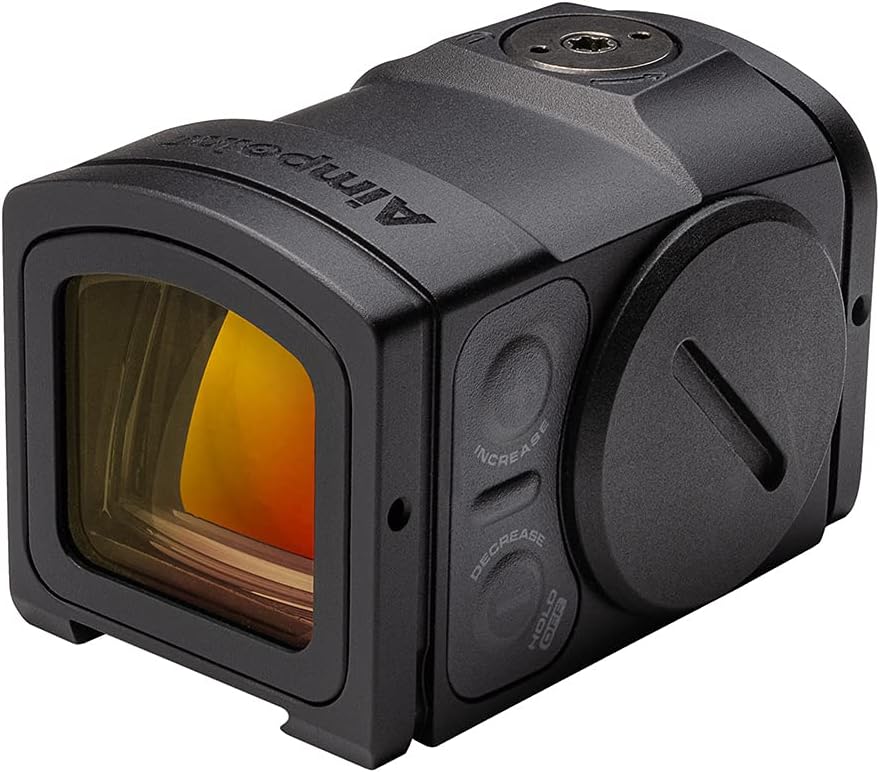
The ACRO P-2 is a fully enclosed emitter optic built for extreme durability.
Specs:
- 3.5 MOA dot
- Enclosed emitter
- 50,000-hour battery life
- ACRO footprint
Pros:
- Completely sealed
- Insane battery life
- Military-grade durability
Cons:
- Smaller window
- Heavier
My Hands-On Notes:This optic shrugs off dirt, water, and debris. The enclosed emitter is a major advantage. Parallax is extremely well controlled. The window is smaller, so transitions feel slightly slower.
What People Say Online:Widely praised for reliability. Some users complain about the smaller field of view.
Mounting:Requires ACRO-specific plate.
╰┈➤ Explore User Feedback and Current Pricing on Amazon
Steiner MPS
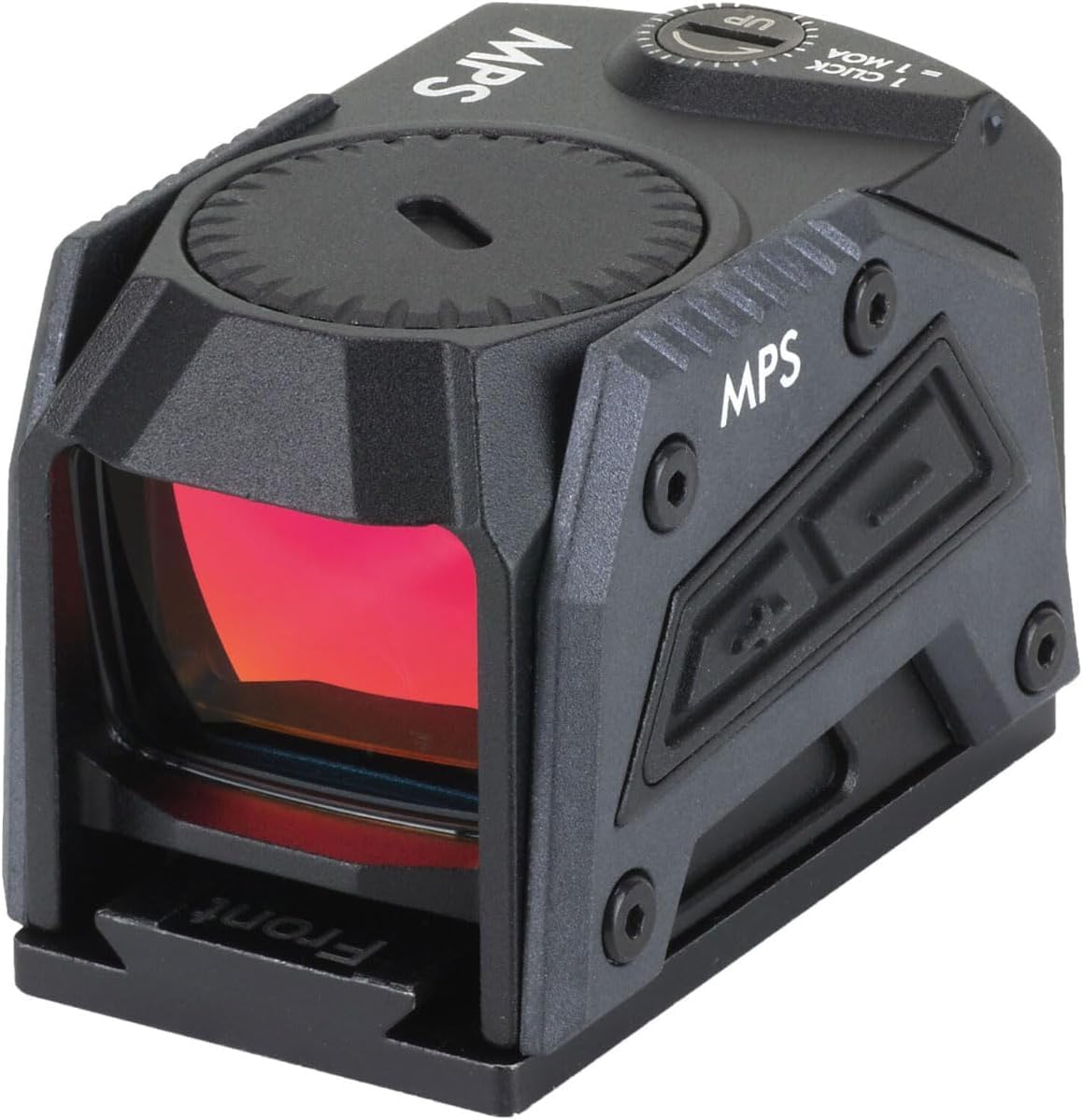
The Steiner MPS is a rugged enclosed optic that competes directly with the ACRO.
Specs:
- 3.3 MOA dot
- Enclosed emitter
- Side battery
- ACRO footprint
Pros:
- Large enclosed window
- Durable housing
- Clear glass
Cons:
- Slightly bulky
- Limited reticle options
My Hands-On Notes:The MPS has a noticeably larger window than the ACRO, which I appreciate. Parallax is minimal. Controls are tactile even with gloves, though slightly stiff.
What People Say Online:Shooters appreciate the improved window size over ACRO. It’s often seen as a strong alternative.
Mounting:ACRO footprint—plate required.
╰┈➤ Explore User Feedback and Current Pricing on Amazon
How I Tested / Evaluation Criteria
Parallax:I evaluated each optic by shooting from unconventional angles and observing point-of-impact shift. The best optics kept the dot aligned even when slightly off-center, which is critical for fast shooting.
Co-witness / Deck Height:Deck height directly affects sight picture. I tested how each optic aligned with suppressor-height irons and whether indexing felt natural during presentation.
Durability:I looked at how each optic handled recoil over extended sessions. Steel-frame pistols like the Rival-S produce a unique recoil impulse that can expose weak housings.
Battery:Battery life and accessibility matter. Top-load or side-load designs scored higher due to ease of maintenance.
Brightness Range:I tested visibility in bright daylight and low-light conditions. Overly bright dots can bloom; dim dots disappear.
Glass Quality:Clarity, tint, and distortion were evaluated. A slight blue or green tint is common, but excessive tint can reduce contrast.
Controls Ergonomics:Button feel matters—especially with gloves. I checked tactile feedback and ease of adjustment under stress.
Mounting Ecosystem:RMR footprint optics scored highest for simplicity. Proprietary footprints required extra consideration.
How to Choose the Right Red Dot for This Gun
Choosing the right optic for the Canik Rival-S comes down to your intended use. This pistol is built for competition, but many shooters also use it for range work or even duty-style applications.
If your focus is competition shooting, prioritize window size and speed. Optics like the Trijicon SRO or DeltaPoint Pro give you a massive sight picture that makes transitions faster and reduces the time it takes to find the dot. This matters more than durability in a controlled environment.
If you want a balance between durability and performance, something like the Holosun 508T is a great middle ground. It offers a strong housing, flexible reticle system, and reliable performance under recoil. The multi-reticle system is especially helpful for newer shooters.
For harsh environments or duty-style use, enclosed emitters are the way to go. The Aimpoint ACRO P-2 and Steiner MPS eliminate emitter occlusion entirely. Rain, dirt, or sweat won’t block your dot, which is a major advantage outside the range.
Mounting also plays a critical role. The Rival-S typically supports RMR footprint optics via plates, so choosing an RMR-compatible optic simplifies installation and lowers deck height. Non-RMR optics require additional plates, which can introduce height and complexity.
Lastly, consider ergonomics. Button placement, brightness adjustment, and battery access all affect usability. In real shooting scenarios, small details like stiff buttons or awkward controls become very noticeable.
FAQs
1. Does the Canik Rival-S support RMR footprint optics?Yes, with the appropriate mounting plate, it supports RMR footprint optics.
2. Are enclosed emitters worth it?Yes, especially in harsh environments. They prevent emitter blockage.
3. What MOA size is best?2–3 MOA is ideal for precision, while larger dots are faster for competition.
4. Can I co-witness with these optics?It depends on plate and optic height. Some setups allow partial co-witness.
5. Which optic is best for competition?The SRO stands out due to its large window and fast acquisition.
Conclusion
The Best Red Dot for Canik Rival S ultimately depends on how you plan to use your pistol, but after extensive testing, a few standouts clearly rise above the rest. If speed is your priority, the Trijicon SRO dominates. If you want durability and versatility, the Holosun 508T is hard to beat. And if you demand maximum reliability in all conditions, the Aimpoint ACRO P-2 delivers unmatched performance.
Each of these optics brings something different to the table—but all of them are capable of elevating the performance of the Rival-S when matched to the right shooter and purpose.